This Founder Said No to the Protein Craze. Her Beverage Brand Grew 890 Percent

It’s the ingredient that has everyone from celebrity entrepreneurs to multi-billion-dollar conglomerates piling in. It’s turned nascent startups into household names and reignited the snack bar wars. It’s the consumer packaged goods trend that shows no sign of abating. Yes, of course, we’re talking about protein. The macronutrient, which has become the buzzword-du-jour for food and beverage CEOs during their earnings calls, has taken over the grocery store, but not every founder is convinced that the extra grams will translate into sales growth.
Rosa Li, founder and CEO of the sparkling herbal tea brand Wildwonder, which landed at No. 396 on this year’s Inc. 5000 after growing by 890 percent over the past three years, keeps getting asked to launch a line of protein drinks, but she says no every single time. “Protein is more easily consumed in other ways. You don’t need to put everything you want in a drink,” says Li, whose beverage business generates an annual revenue in the mid-eight figures.
This is how the serial entrepreneur has managed to stand out on the shelf in the notoriously competitive refrigerated functional beverage area of the grocery store, alongside all the kombuchas, lemonades, and modern sodas, such as Olipop, Poppi, and Bloom Pop. She’s learned to keep her cans in their lane. That means sticking to organic, vegan formulas packed with prebiotics and probiotics for gut health and global fruit flavors, inspired by the herbal tonics Li’s Chinese grandmother used to brew.
Fiber fits into that mandate
Fiber fits into that mandate. Protein does not. “I don’t want to dilute the brand by doing everything, and we don’t want to be everything to everyone,” says Li, who launched the brand in 2020 and got an early boost by getting stocked in Google’s office fridges. Since then, the startup has expanded its reach into 15,000 locations, including corporate offices, coffee shops, cafes, and major grocery stores, such as Whole Foods, Target, Wegmans, Kroger, Food Lion, Harris Teeter, and Mom’s Organic Market.
“We don’t want to confuse people about what the brand is about. We’re not trying to jump on every single trend.” “Beverage just moves so fast. There’s constantly innovation,” says Li. “People are always launching new beverage. I just don’t think everything needs to be launched in a beverage.” By eschewing protein, the 18-person team has been able to focus its capital and attention on innovation they know will drive sales: new flavors.
Wildwonder, which formulates all of its flavors in house, used to roll out one new SKU a year, but has cut down its go-to-market timeline. This year, the brand introduced three new flavors, and four are already planned for next year. Li, who looks to tea shops and restaurant mocktail menus for inspiration, says the company can go from idea to full-scale production run within two months.
That speed and variety has helped the startup
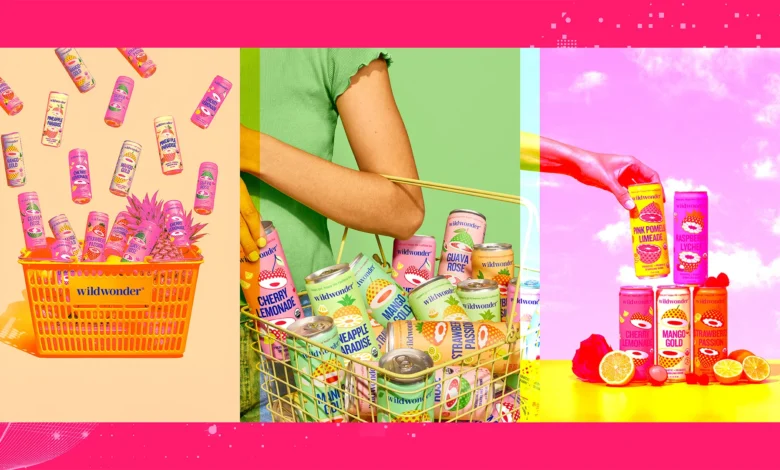
That speed and variety has helped the startup land on the Inc. 5000 for three straight years. Right now, Wildwonder offers nine different flavors, including raspberry lychee, blackberry violet, guava rose, and mango gold.When a certain flavor starts trending, Li and her team find their own Wildwonder way in. Often, that means adding an unexpected fruit twist, pairing a popular base with an ingredient that will not be as familiar to most American shoppers.
When other brands rolled out apple-inspired SKUs for fall, Wildwonder introduced an apple yuzu. While other drink brands invested in classic lemonades, Wildwonder debuted a pink pomelo limeade, adding in another citrus fruit native to Southeast Asia. Li describes the thought process: “How do we introduce something a little bit different?”
Source: www.inc.com